Recent adventures, thoughts on AI, and the Lightswitch Effect
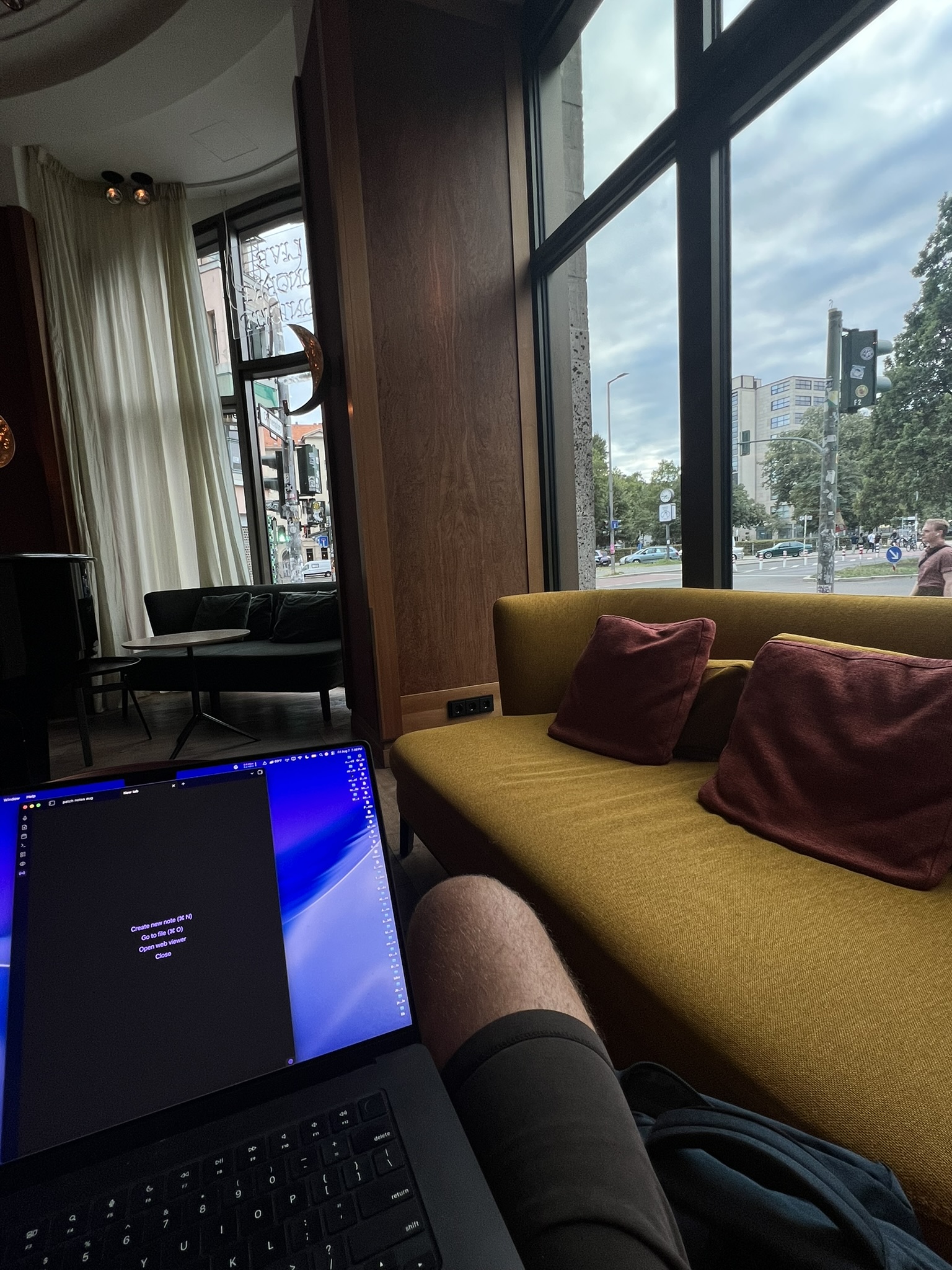
Writing this from Orania Hotel in Berlin, sipping a negroni and doing a little people-watching as people ride, walk, scoot, and drive past the floor to ceiling windows. It’s a nice hotel, fancier than I could justify booking for just myself - perhaps for when Savannah and I visit together next time. I’m the last non-Berliner here after a Glif offsite; finishing off a good 4 days together.
It’s been some time since my last patch notes. Instead of trying to summarize everything since then - which will keep me from actually hitting publish on this post and just perpetuate the problem further - I’m just going to cut the crap and say it’s been a busy couple months. But I might be seeing some calmer waters on the horizon. Hopefully. Maybe?
The rest of the post is a mix of notes, photos, and a couple longer sections. Read anything or everything and feel free to send me a note if it made you feel a particular way.
What’s going on in life? #
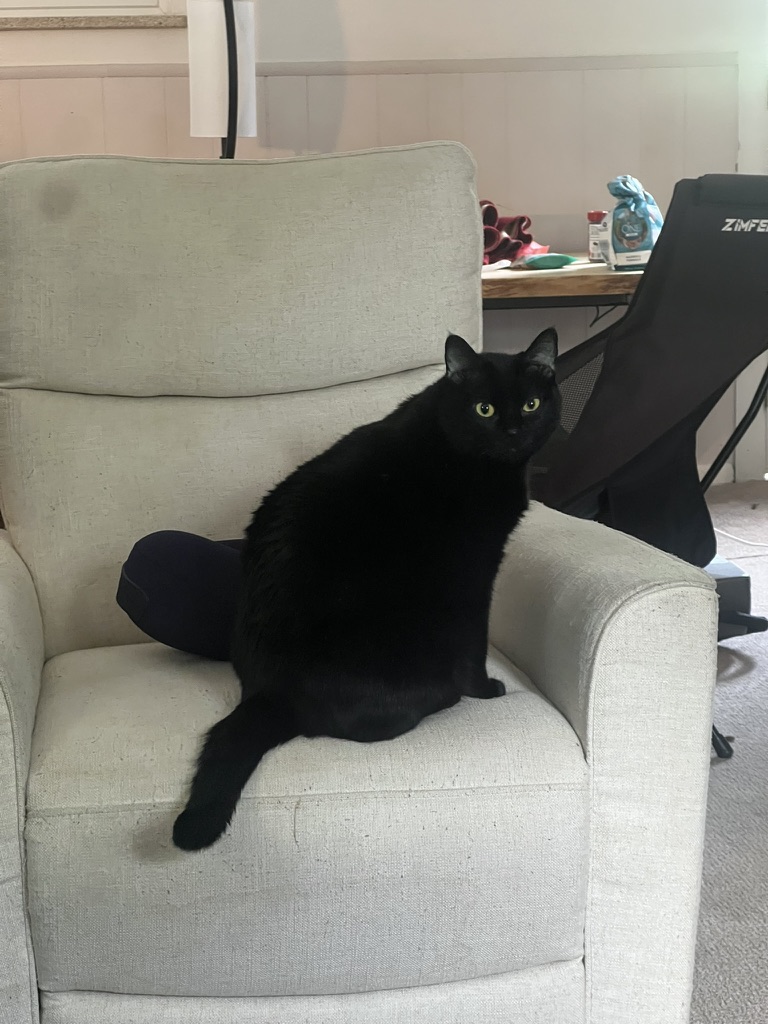
We got a cat! Her name is Jiji (yes, named after Miyazaki’s Kiki’s Delivery Service), she’s an 8 year old Bombay cat and she is a curious, social, and mischievous little gremlin and we love her so much. Her original owner is leaving the country for an intense school and work schedule and wanted her to continue having a full, social life. I’d like to think we’re doing a good job of providing her that!
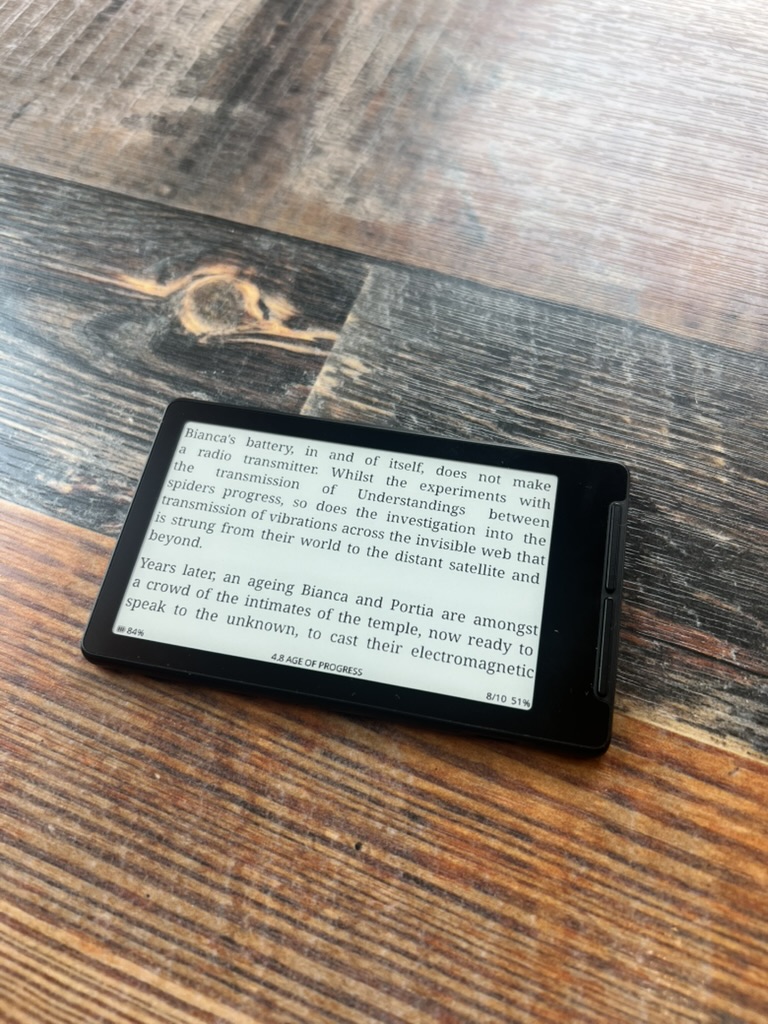
I’ve been loving my Xteink X4 - I describe it as a “mini kindle”, best recent purchase. I’m reading more often because I can actually take this little guy along with me instead of a full size Kindle that I leave in my backpack or on my shelf. And sadly the Daylight doesn’t fit in my pocket. Easy to justify bringing on a backpacking trip as well where every pound matters.
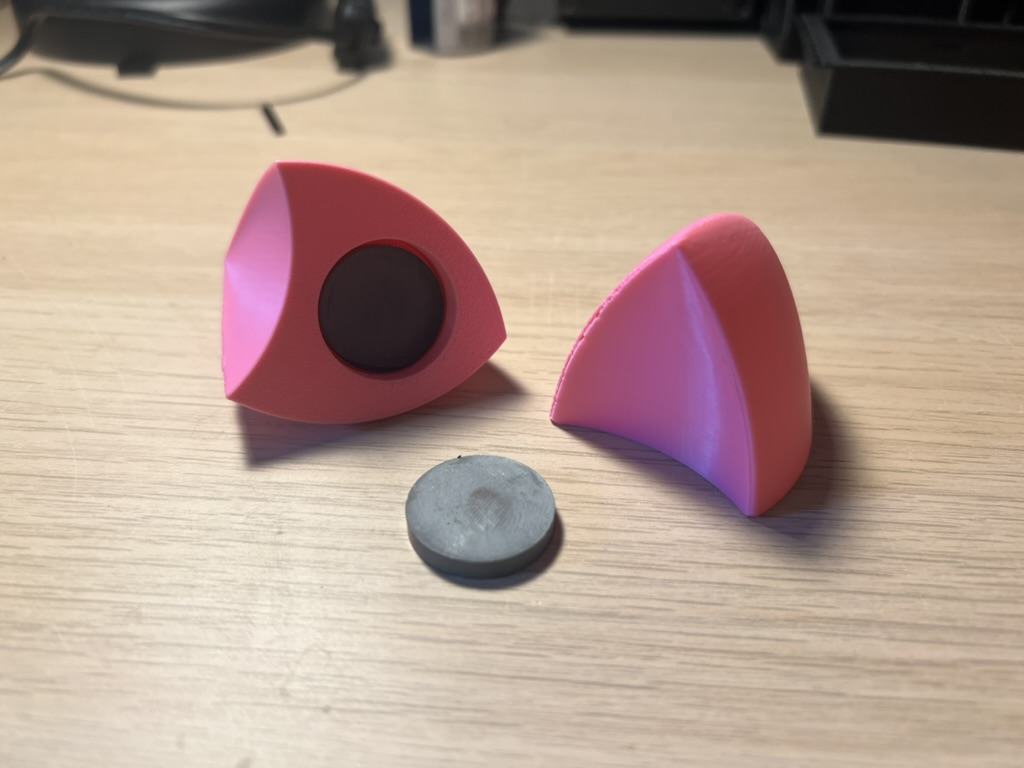
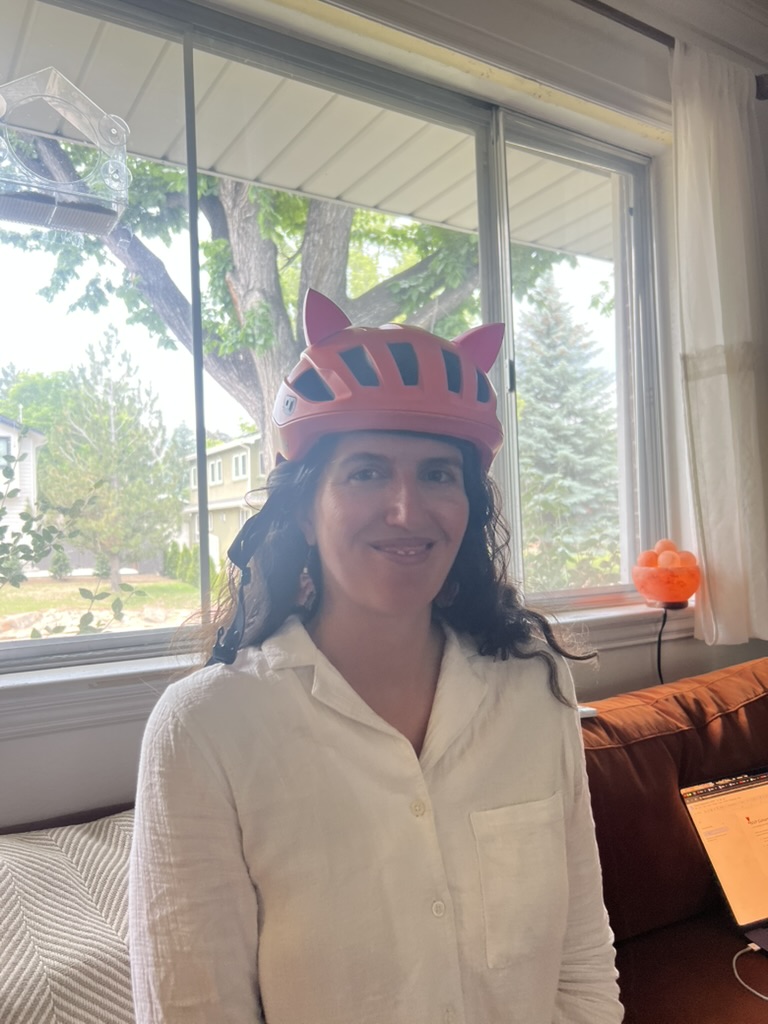
Continuing to learn 3D printing. Made some magnetically-attached cat ears out of TPU for Savannah’s helmet. I’ve been surprised by how much TPU degrades in UV light (specifically, the color), so the next version will need to be coated in some sort of UV-blocker. But v1 is pretty solid:
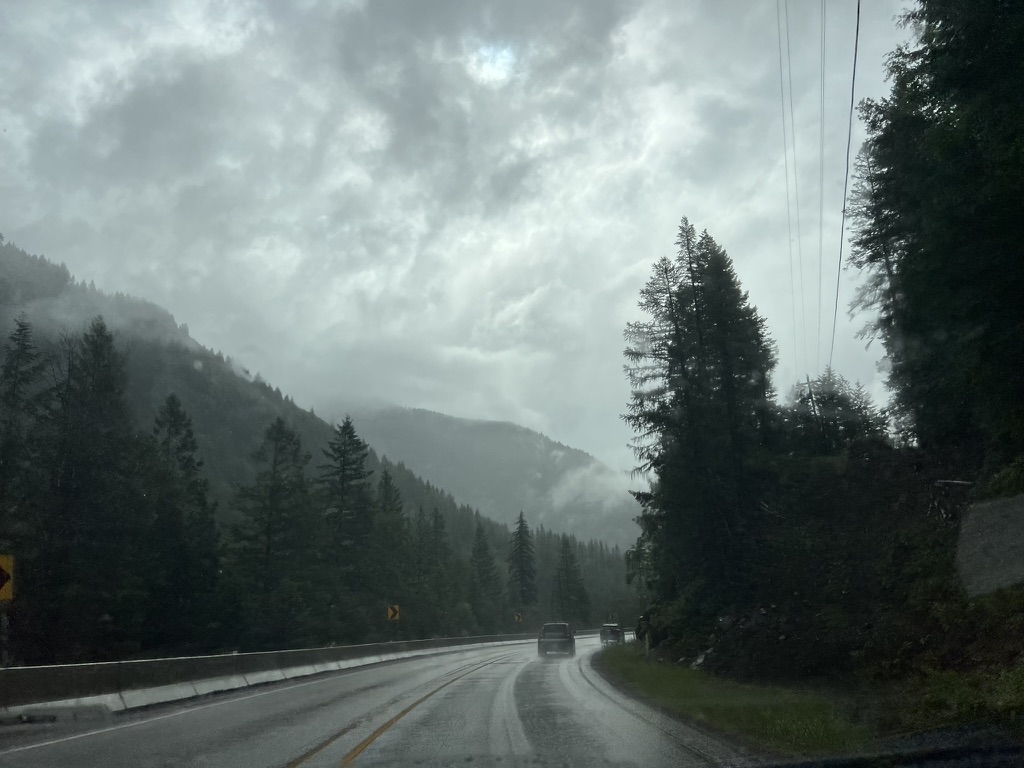
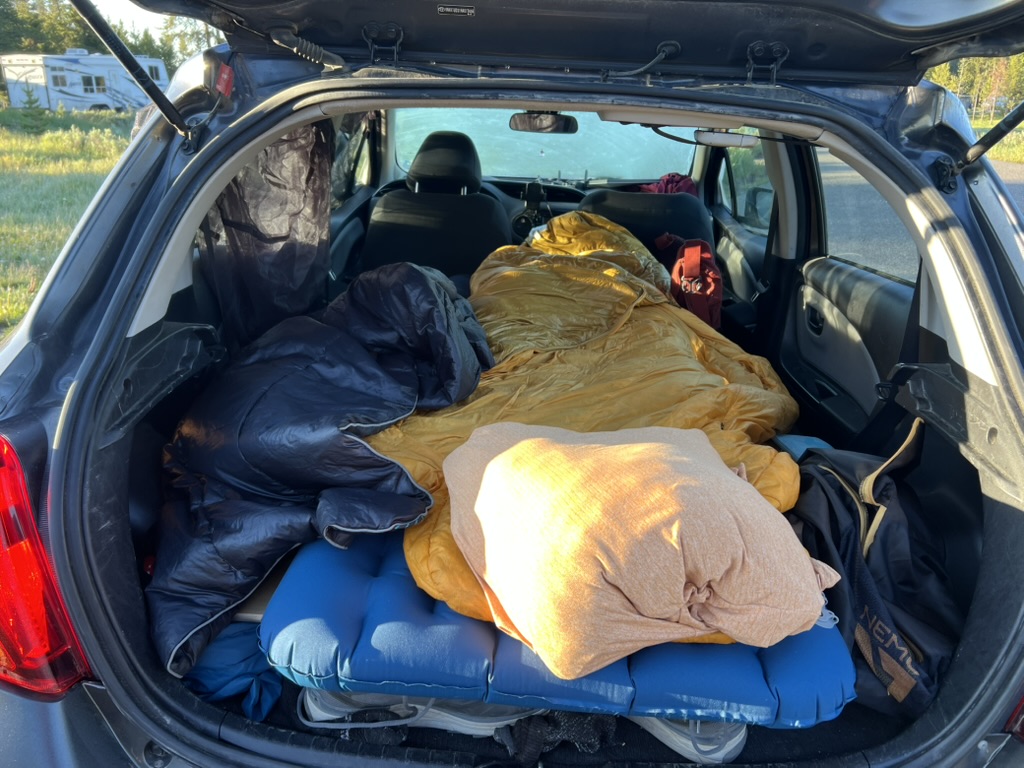
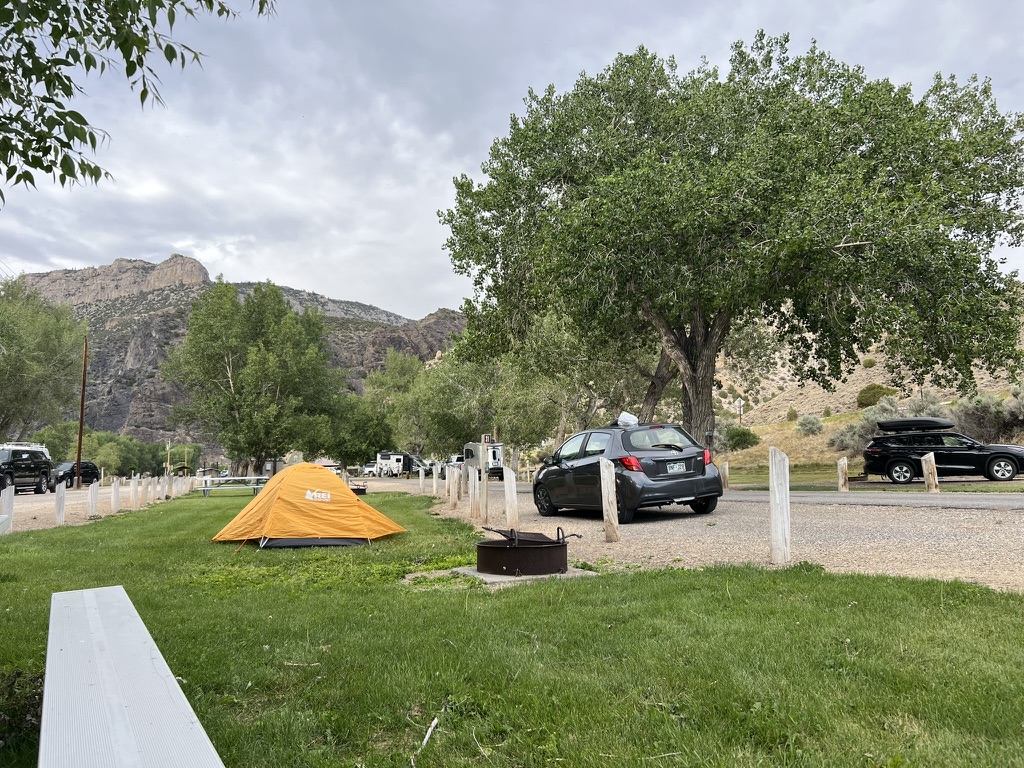
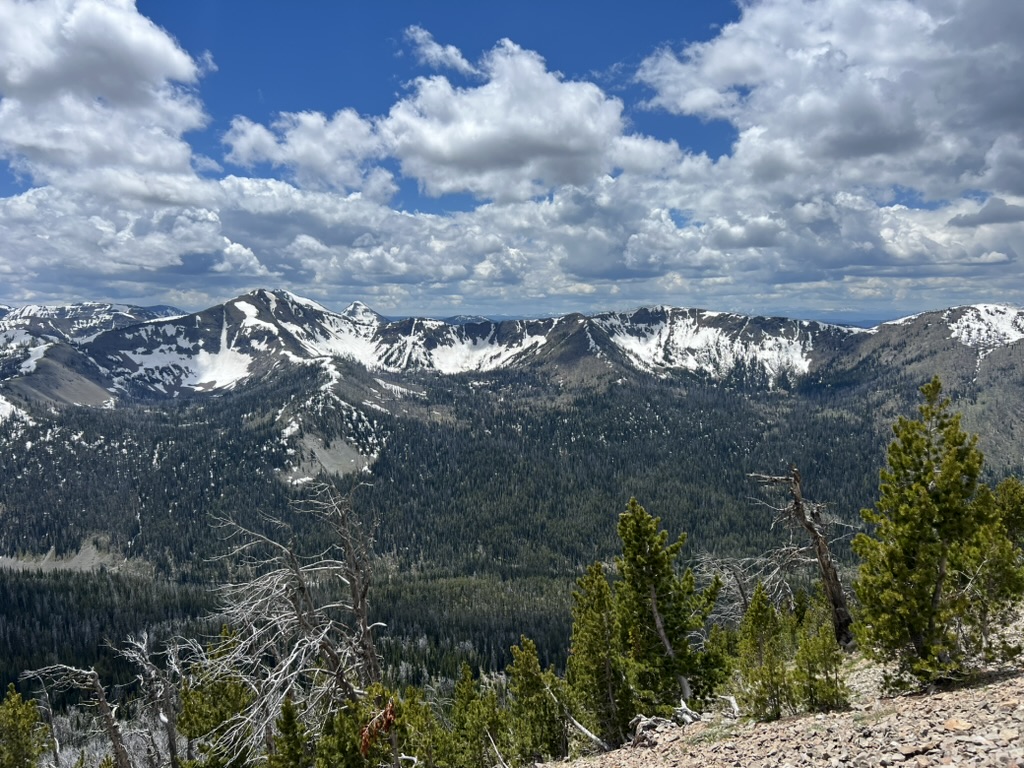
In June I took a 3,000 mile roadtrip from Boulder to Calgary, Alberta and back - it was delightful. I was attending a wedding and wanted some good nature/hiking/sightseeing along the way. Some photos follow:
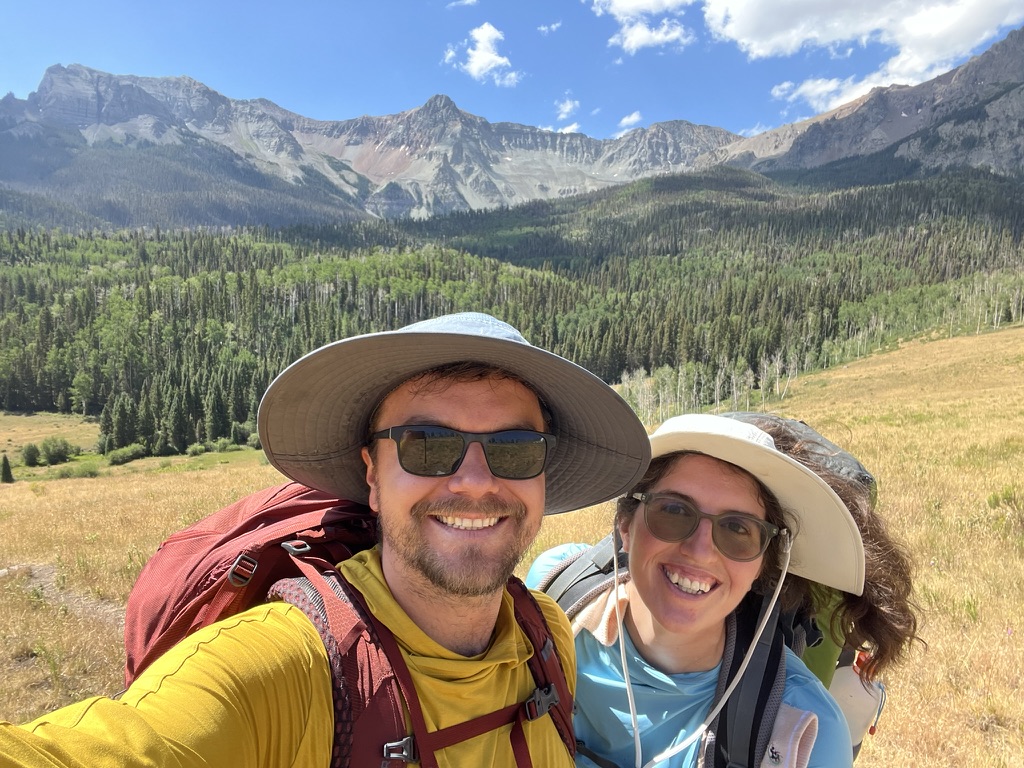
In July, Savannah and I did a 5-day hut-to-hut backpacking trip in the San Juan mounains (Sneffels Traverse), and it was spectacular: the wettest Colorado I’ve ever experienced, good company, and easier than full backpacking as the huts provided some of the base amenities. More photos & a fancy map thing maybe hopefully coming soon.
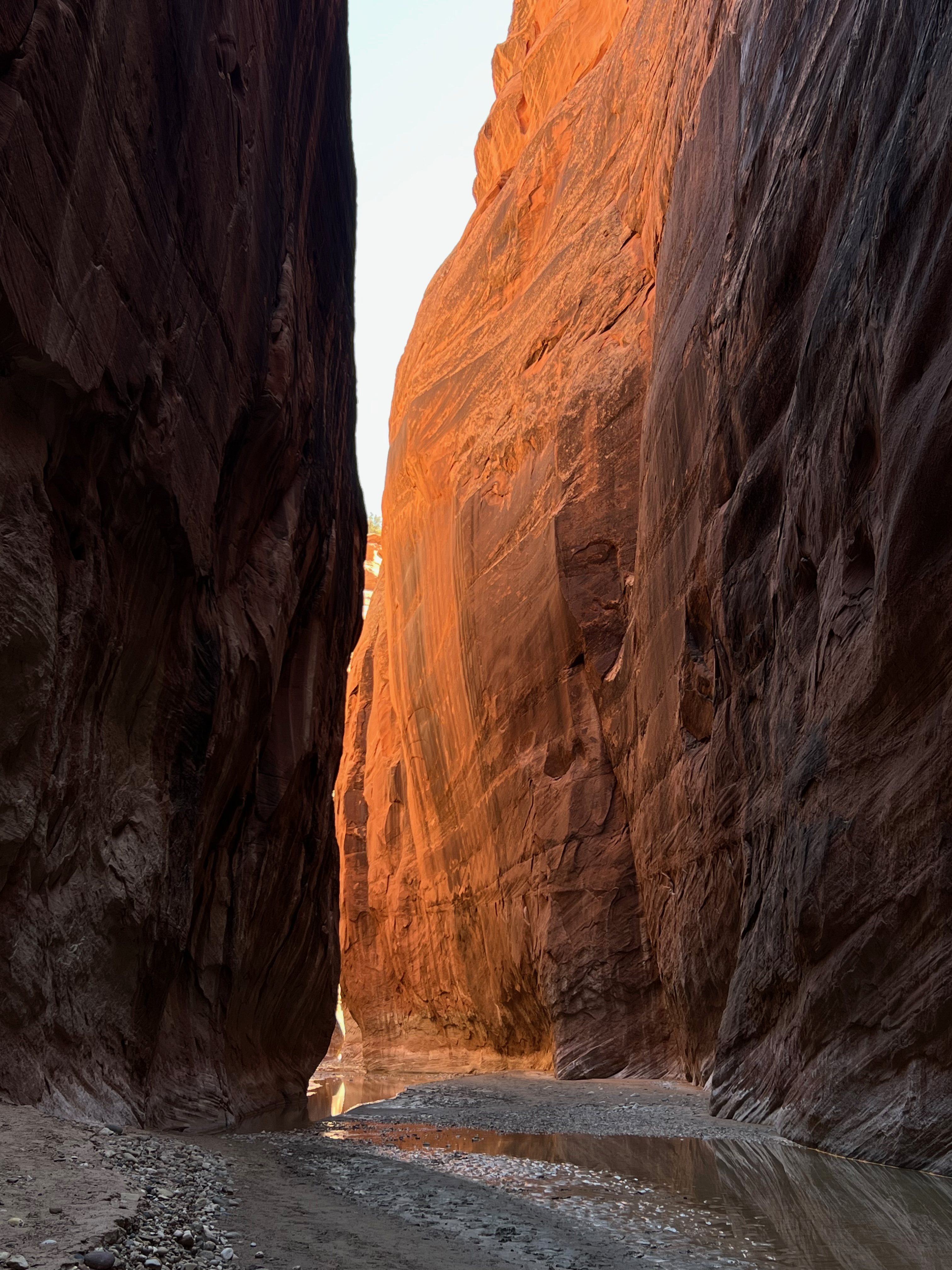
And in April, I did a 33-mile hike down the Paria River on the border of Utah and Arizona. See a multimedia experience I made of it here, and here’s some more context about how it came to be.
The Lightswitch Effect #
tldr: this is what I call the cognitive processing power dedicated to understanding a new location: where the light switches are, where to get fresh water, where the nearest ATM is, where the best place to buy ibuprofen is, etc
I first gave this phenomenon a name about a year into my Nomad Era (2020-2022); because as my location-changes got more frequent, so did the amount of my productivity and brain power being taken up by the ligthswitch effect; taking space away from other things like working a job or exploring one’s hobbies.
Other things taking up brain power in a new place: what time the subway functions, where the circuit breaker box is because an outlet is arcing, how the microwave controls work, why the internet is not working, the fact you have to bag fruit and weigh them and put a sticker on them before you can buy them at the grocery store, and where to get a key copied.
I write this not to discourage anyone from going Full Nomad but to say: it was harder than I expected to work a fulltime remote job while switching places every 2-5 days in a foreign country. Switching spots every 3-4 weeks like when I started out Nomad Era is much more doable. Longer than that and you really get to maximize the gains and delight of being in a new place and actually knowing how things operate. Shorter and you risk turning most of your thinking into logistics thinking.
There’s an interesting parallel in backpacking because each campsite or hut is different from the last ones: I have to figure out where to get fresh water, where the good sandy spots are for pitching a tent are, where a good place for the kitchen is, where to dig a hole to shit that someone hasn’t beaten me to it, etc.
But when I’m backpacking in nature, these questions are a given and I don’t need to worry about work or really much of anything besides these questions and enjoying the trees. When I’m booking an Airbnb in Mexico City though, I still have my regular life to keep up to some extent; whether working remotely or just attending to social obligations.
Towards the end of my nomad era, due to logistics my location switches got more frequent and I slowly lost most of my ability to do productive knowledge work. This all culminated in a totaled car[] and then an eventual move to Boulder[] where I spent a good six months re-learning to be able to work again.
On AI, norms, and the present era #
I haven’t written about LLMs in a while. At some point I want to put together a longer post of thoughts but in the interest of getting at least something out, I’ll start here. I’ll also make this v1 of my “ai policy” as I’ve seen some bloggers do. Also accessible as jon.bo/ai
As far as this site goes: I write my own content. When I use LLMs with regards to my blog, it’s to do a grammar/spelling checks, formatting image captions from a text file, or figure out CSS issues. But at the end of the day: my words are my own.
A list of things I hold to be true right now:
- LLMs are one of the most unexpected, fascinating, and divisive technologies to pop out of Silicon Valley in the past decade
- LLMs as a whole have considerable capacity to significantly affect - in both positive and negative ways - white collar wages and organizational structures, copyright law, intellectual property, legal advice, design, advertising, research, and information access
- I find it unlikely that generative LLMs are the path / “skill tree” that gets us to AGI / hard takeoff / paperclip maximizer scenarios. That is not to say the downside risk is limited however; companies like OpenAI and Anthropic need to be regulated more, and not in the classic regulatory capture playbook the big tech companies have gotten so good at.
- Coding/programming/software engineering today already looks very different to how it did a year ago - and it will continue to change, rapidly. The days of writing code by hand are gone, but the days of developing expertise, craft, and standards in reducing complexity in reality are not.
- If I am generating code with AI that other people may need to understand, maintain, update, or fix in the future: I read it and make sure that I understand it, and can stand by it.
- If I am writing code that only my future self has to deal with, I don’t bother reading it closely.
- Media (text, images, videos, music, code) I produce with generative AI is labeled as such, where appropriate. I do not believe using them to generate work - for fun or for profit - is wrong, but I want to make sure it is clear how a piece of media was created.
- Partly this is because the inaccurate-but-generally-true relationship between output & time invested has been subverted.
- Partly it’s to give credit to the people whose data was used in the training of the models; likely without their consent.
- And partly because I do not think obscuring how we make things generally leads to creating better things.
- LLMs are an amazing resource for understanding beyond one’s current capacity of knowledge, but they should not be relied on for teaching someone something by themselves, especially children (ie, the Primer in Neal Stephenson’s Diamond Age)
- The most likely and interesting near-term future to me is open source models running on infrastructure somewhere between a very nice laptop and a server cluster in a data center - hardware stacks that a school, coworking space, or even a group of families in a neighborhood can afford to invest in and share, a bit like old modes of sharing time on a central computer.
Recent media shoutouts #
- 📚 Just finished Adrian Tchaikovsky’s 3 book Children of Time series - fantastic read (HN rec). Future human civilizations, bioengineering, terraforming, ant computers, spider societies, and more.
- 📚 Papillon by Henri Charrière (thanks Gary); something between historical fiction and an autobiography, definitely an entertaining read
- 📚 Careless People by Sarah Wynn-Williams (HN) talks about Facebook. Wild ride.
- 📚 Into the Abyss, Carol Shaben tells the true story of the Wapiti Aviation Flight 402 crash in Alberta where the only survivors are the pilot, a congressman, a criminal, and his police escort. (Amazon reccomendation)
- 📚 Emerald Mile, Kevin Fedarko (also Gary) - is one half of the reason I want to raft down the Colorado river. Backpacking the Paria River is the other half.
- 🎥 Odyssey was very fun, very intense, and I look forward to re-watching it
- 🎥 Werner Herzog’s Antarctica - Encounters at the End of the World documentary is a gripping, beautiful, and emotional watch.
Parting notes & asks #
Thanks for reading this far.
- If you live along the West Coast of the US - I am planning a roadtrip along it sometime late September - October. If you have a spot or just want to get a coffee, feel free to email me
- I’m looking to talk to software and hardware engineers at interesting energy grid/renewable power related startups - please let me know if you know anyone!